LGBTQ+ Digital Nomad Guide to Porto
Cheaper than Lisbon, endlessly walkable, and quietly one of the most comfortable places we've based ourselves as a gay couple — here's how Porto actually works for queer nomads in 2026.
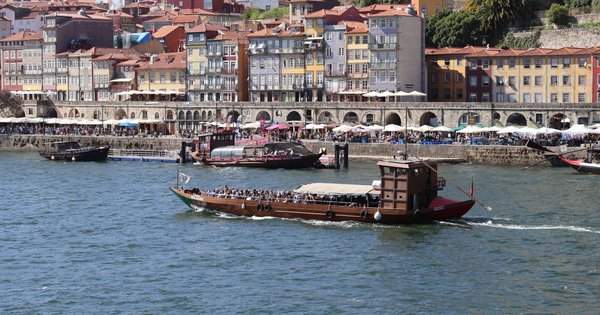
We’ve now based ourselves in Porto twice — once early in our nomad years and again in 2026 — and it remains one of the cities we recommend most often to other queer remote workers. It doesn’t have Lisbon’s marketing budget or Barcelona’s scene, and that’s a large part of the appeal. Porto is smaller, cheaper, ludicrously walkable, and warm in a low-key, unhurried way that suits people who want to actually get work done between the good dinners.
Here’s how it actually works for LGBTQ+ digital nomads.
The lay of the land
Portugal is one of the more welcoming countries in Europe for queer people on paper and, in our experience, in daily life too. Same-sex marriage has been legal since 2010, joint adoption since 2016, and anti-discrimination protections are solid. As two men, we’ve never felt we had to think twice about a hotel booking, a restaurant reservation, or holding a conversation on a café terrace. Public affection is common enough among everyone that nobody clocks it.
We’ll be honest about the one storm cloud: nationally, Portugal’s parliament has been advancing a set of bills that would roll back parts of the country’s progressive gender-identity framework, including the 2018 self-determination law. That fight is real and ongoing, and it matters most to trans and nonbinary residents. Day-to-day social life in Porto hasn’t changed because of it, but it’s the thing we’d flag to any trans nomad weighing a longer stay, and it’s worth reading up on the current status before you commit.
Where to stay
Porto is compact, so you don’t need to overthink neighborhoods. Cedofeita is our default recommendation — central, full of independent shops and cafés, walkable to everything, and home to a chunk of the city’s creative and queer-friendly life. Bonfim has become the go-to for longer-stay nomads who want a bit more space and a slightly lower rent, and it’s had a genuine renaissance. Ribeira, the postcard riverfront, is beautiful and touristy and not where you want to live for a month. Foz do Douro, out where the river meets the Atlantic, is calmer and pricier and lovely if you want beach walks between calls.
Rents have risen — Portugal is not the secret it was in 2018 — but Porto still undercuts Lisbon meaningfully, and both undercut most of Western Europe. Book your first couple of weeks online, then look locally; long-stay deals are much better arranged once you’re on the ground.
Working from Porto
The internet is fast and reliable, which is the whole ballgame for remote work. Fiber is widespread in the center, and cafés are laptop-friendly to a degree that would get you side-eyed in Paris. For a proper desk, Porto i/o has locations near the river and in the center and has long been a hub for the nomad crowd; Typographia and a handful of newer spaces round out the options. Coffee culture is excellent and cheap — a good espresso still costs less than a euro in plenty of places, which after a few years in Northern Europe never stops feeling like a small miracle.
On the practical side: Portugal’s D8 digital nomad visa (for non-EU remote workers earning above a set monthly threshold) has made longer, legal stays far more straightforward than they used to be. If you’re American or otherwise outside the EU and thinking beyond a tourist stint, it’s worth looking into before you arrive.
The queer scene
Set expectations correctly and you’ll love it. Porto’s LGBTQ+ nightlife is small, concentrated, and friendly rather than sprawling. The center of gravity is around Rua Cândido dos Reis and the surrounding streets in the historic core, where a cluster of bars and clubs blur the line between “gay bar” and “mixed bar that everyone queer goes to.” Conga and the broader Galerias de Paris area are where the night tends to start. It’s the kind of scene where you recognize faces after a week, which we happen to prefer to anonymity.
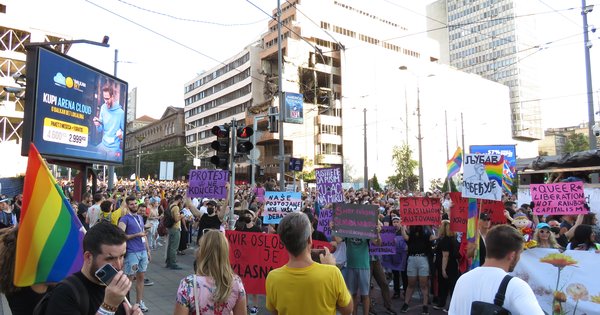
Porto also holds its own Pride march in the summer — smaller than Lisbon’s, but heartfelt and growing — and the city’s arts and film calendar (Porto has real cinema pedigree) reliably includes queer programming.
Eating, drinking, and the rest of life
This is where Porto quietly wins. The food is extraordinary and absurdly affordable: order the grilled fish, submit to a francesinha at least once (it will defeat you), and drink the vinho verde. The Mercado do Bolhão, restored and reopened, is worth a slow morning. And the port wine lodges are across the river in Vila Nova de Gaia if you want the tourist ritual done properly.
Getting around is almost entirely on foot, with a clean metro and cheap trams to fill gaps. The airport connects easily to the rest of Europe, which for us — bouncing between the Balkans, Spain, and Portugal — is a big part of why Porto keeps ending up on the rotation.
Would we go back?
We already did. Porto is one of the few cities we’ve returned to on purpose, and if you want a base that’s affordable, safe, beautiful, and comfortable to be openly queer in — without the pressure of a big scene you’re supposed to keep up with — it’s hard to do better in Western Europe right now. Just keep an eye on the national trans-rights debate, especially if it affects you directly, and come hungry.
Sources: ILGA-Europe Rainbow Map 2026, Outright International — Portugal