Belarus Passes Russian-Inspired 'LGBT Propaganda' Law — And Rights Workers Are Already Fleeing
The Belarusian parliament approved a sweeping anti-LGBTQ+ bill this week, copying Russia's playbook. Advocates say it criminalizes existence — not just expression.
On Thursday, April 2, the upper house of the Belarusian parliament gave final approval to a bill that punishes anyone found guilty of promoting “homosexual relations, gender change, refusal to have children, and pedophilia.” The bill now sits on President Alexander Lukashenko’s desk. He is expected to sign it.
This is not a surprise. Belarus has been moving in this direction for years. But the formalization of the law — its embedding into the country’s Administrative Offenses Code — marks a significant step from informal persecution to state-sanctioned criminalization of LGBTQ+ life.
What the Law Actually Does
The legislation adds nine new articles to the Administrative Offenses Code and revises 73 existing categories. For individual violations, fines can reach €260. For businesses, the penalty is €1,300 to €2,000. Those found guilty can also be assigned community labor or face up to 15 days in jail.
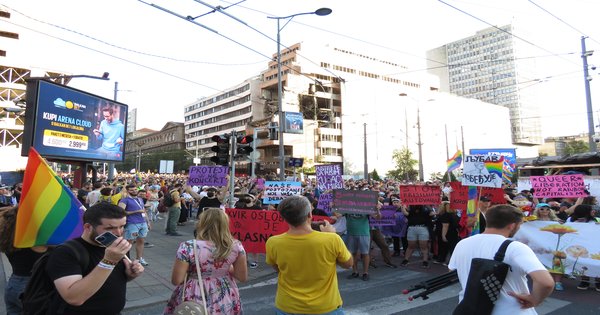
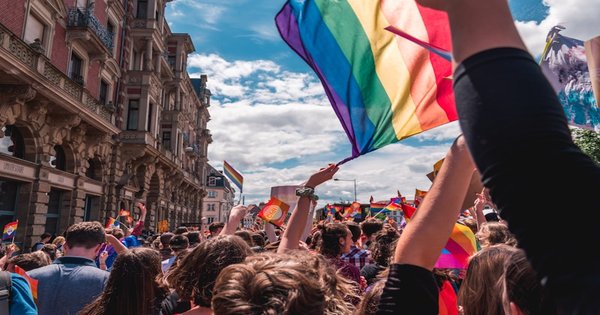
On paper, it targets “propaganda.” In practice, rights organizations say it criminalizes nearly any visible expression of LGBTQ+ identity. Displaying a rainbow flag. Running a support group. Writing a social media post. Stocking books with LGBTQ+ themes in a bookstore. All of it becomes legally actionable under the new framework.
The language of the bill itself is telling. By grouping “homosexual relations” and “gender change” in the same list as pedophilia, the Belarusian government has deliberately coded LGBTQ+ people as predatory — a rhetorical strategy that has proven effective for authoritarian governments from Moscow to Budapest.
Belarus Is Following Russia’s Script, Closely
Russia passed its own “gay propaganda” law in 2013, restricting LGBTQ+ content accessible to minors. In 2023, Russia expanded that law to a total ban on “LGBTQ propaganda” for all ages. The Belarusian bill follows the same trajectory — moving from targeted restriction to comprehensive suppression.
This is not coincidental. Belarus and Russia have deep institutional ties. Lukashenko’s government has relied on Moscow for political and financial survival since the 2020 crackdown on protests that followed his disputed reelection. Importing Russia’s culture war legislation is both ideologically convenient and politically safe.
Activists note the parallels go beyond the law’s text. “Belarus is copying Russia’s sad experience,” one LGBTQ+ rights defender told reporters this week, “creating unbearable conditions for LGBT+ people.”
The Situation on the Ground Is Already Dire
It’s important to understand what the law is formalizing — not creating from scratch. LGBTQ+ groups in Belarus have been shut down for years. Security forces regularly raid nightclubs and private gatherings. The country’s intelligence agency, which still operates under its Soviet-era name, the KGB, has been documented blackmailing LGBTQ+ people to force them to cooperate as informants.
The Belarusian transgender rights organization TG House has documented at least 12 cases of persecution of LGBTQ+ people over just the past three months. Since the bill’s passage, TG House reports it has been flooded with requests — hundreds of them — from LGBTQ+ Belarusians seeking psychological support and help moving abroad.
The bill also raises specific fears for transgender people. Activists warn that under the new law, trans individuals could be denied the ability to legally purchase gender-affirming medications. There is no formal protection in place that would prevent that interpretation by authorities.
What “Propaganda” Means in Practice
The bill’s framing as targeting “propaganda” mirrors language used across authoritarian systems — language designed to sound reasonable (“who could support propaganda?”) while being applied to silence any public acknowledgment that LGBTQ+ people exist.
In Russia, the “propaganda” law has been used to prosecute everything from social media posts to protests to the simple act of holding a same-sex partner’s hand in public. Legal observers expect Belarus to follow a similar enforcement pattern: sporadic, selective, and designed primarily to generate fear.
That fear is already working. The flood of requests for help leaving the country that TG House has received suggests that many Belarusians are not waiting to see how the law is enforced.
The Broader European Context
What makes this moment significant beyond Belarus itself is the timing. Across Europe, 2026 has already been marked by divergent movements on LGBTQ+ rights. The European Commission released its new LGBTIQ+ Equality Strategy for 2026–2030 in October 2025. Lithuania enacted same-sex civil partnerships earlier this year. The EU court is expected to rule against Hungary’s anti-LGBTQ+ law sometime this year.
But Belarus is not in the EU, and it is not seeking to join. Unlike Serbia or Albania, which face real EU accession pressure to improve human rights protections, Belarus has no such incentive. Under Lukashenko — who has ruled the country since 1994 and crushed the 2020 pro-democracy uprising — Belarus has been drifting further from European norms, not toward them.
The country’s LGBTQ+ community now faces a choice that far too many people in authoritarian states have faced before: stay, go underground, or leave.
For those who can leave, many are already trying.
Sources: Euronews • Washington Blade • Kyiv Independent • PinkNews • ABC News