Brussels Pride Turns 30 — and the EU Capital Picks a Defiant Theme: 'When Times Get Darker, We Shine Brighter'
Brussels Pride marches on May 16 with around 200,000 people expected and a 30th-anniversary slogan written for a moment of backlash. The capital of the European Union is not pretending things are fine — but it is showing up anyway.
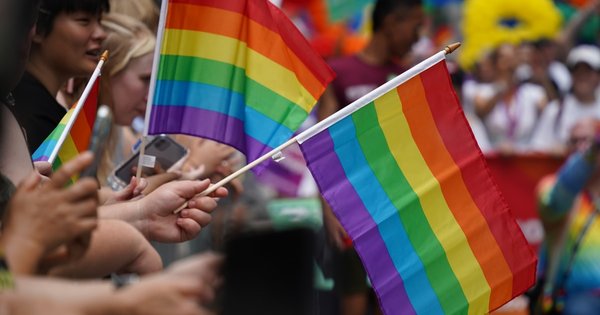
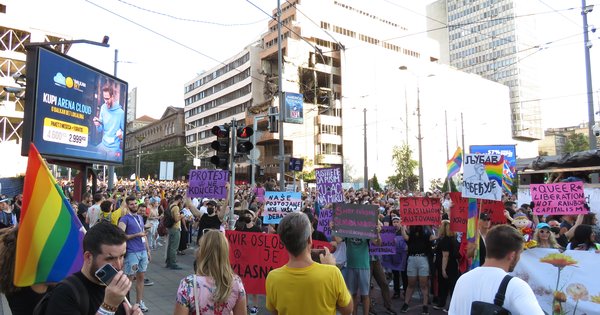
Thirty years ago, Brussels Pride was a small march for a community fighting for visibility in a country that had not yet legalised same-sex marriage, ratified anti-discrimination law, or recognised trans people in any meaningful way. On Saturday 16 May 2026, organisers expect about 200,000 people to fill the boulevards of the EU capital for a milestone edition of what has become one of Europe’s largest annual Prides — and the slogan tells you what kind of milestone it is.
“When Times Get Darker, We Shine Brighter.”
The theme was chosen by RainbowHouse Brussels, the umbrella that brings together the city’s French- and Dutch-speaking LGBTQ+ organisations, and it is not subtle. After a year of EU-wide debate over gender recognition rules, a hard-fought Court of Justice judgment striking down Hungary’s anti-LGBTQ “propaganda” law, and rising far-right vote shares across several member states, this is a Pride that knows what it is responding to.
What’s happening, and when
Brussels Pride Week runs from 6 to 15 May, with cultural events, debates, and guided tours scheduled across the city. The Pride Village at Mont des Arts opens at noon on Saturday 16 May. The Pride March itself steps off at 14:30 from Boulevard de l’Empereur and winds through the city centre before returning to the Village for the closing concert.
Organisers are coordinating with the Brussels police, emergency services and city authorities under a shared “Safer Pride” framework that has run for several years now. It is the kind of unglamorous infrastructure that does not make headlines until it fails — and at a 200,000-person event held against an increasingly hostile global backdrop, it matters.
What 30 years has actually changed
When Brussels Pride started in the mid-1990s, Belgium had no marriage equality, no civil partnership recognition, and no national hate-crime law covering sexual orientation. Today, Belgium is consistently in the top three of ILGA-Europe’s Rainbow Map ranking, jumping to second place in 2025 after adopting policies on hatred targeting sexual orientation, gender identity and sex characteristics.
That trajectory is not abstract. A Belgian same-sex couple can marry, adopt, access fertility care, change legal gender markers, and rely on hate-crime aggravators in the criminal code. Trans people in Belgium got self-determined legal gender recognition in 2017 — earlier than most of Europe. Pride organisers have built three decades of institutional muscle memory around running a giant parade in a working capital city, and the city has pushed back when far-right councils elsewhere on the continent have tried to ban Pride flags or refuse permits.
In October 2024, the Brussels-Capital Region went a step further and added Brussels Pride to its intangible cultural heritage list, making it only the second Pride in the world to receive that kind of formal institutional recognition. That sounds bureaucratic until you remember that Pride parades in Hungary and parts of Italy and France have spent the last two years fighting for the right to march at all.
Why the slogan lands the way it does
There is a real temptation, when a Pride hits a round-number anniversary in a wealthy Western European city, to lean into the celebration and skip the politics. Brussels Pride is not doing that. The “darker times” the slogan names are the lived reality of LGBTQ+ people across the continent right now: an EU member state’s anti-LGBTQ law was struck down only two weeks ago, mayors in France have been refusing to fly Pride flags, Russia’s “extremism” prosecutions have rolled into a third year, and the United Kingdom posted one of the steepest rights-ranking drops on the continent.
Belgium is not immune to the same currents. Far-right parties have grown in Flemish electoral politics, and a portion of the Belgian commentariat has spent the last year arguing that trans rights and gender-affirming care for minors went “too far.” Brussels Pride’s organisers have read those headlines as well as anyone, and they have decided that 30 years of institutional protection does not buy a community the right to coast.
The “shine brighter” part of the slogan is doing real work. It is an instruction to show up anyway — visibly, repeatedly, in larger numbers — at a moment when other European Prides are negotiating with hostile mayors, paying for private security, or forced to march under police escort.
What to watch for on May 16
Three things are worth paying attention to. First, the size of the crowd: 200,000 is the organiser estimate, and a number meaningfully above that would signal that European LGBTQ+ communities are mobilising rather than retreating. Second, the political turnout: which Belgian and EU-level officials show up to march, who sends a message, and who quietly stays away. Third, the tone of the Brussels mayor and the Brussels-Capital Region — both of which have, so far, been unambiguous in their public support, including the heritage listing.
We have not yet been to Brussels ourselves, so we will be watching this one from the road like everyone else. But the choice of slogan tells us where the organisers see the moment: not as a victory lap for 30 years of progress, but as a refusal to dim the lights while the rest of the room argues about whether the lights should be on at all.
That refusal — that simple insistence on showing up — is what Pride was built to do. Thirty years in, Brussels still understands the assignment.