LGBTQ+ Travel Guide to Athens: Gayborhoods, Pride, and What We Actually Do There
Athens isn't on the typical gay travel circuit, but it's one of our favorite Mediterranean cities to land in. Here's our honest, firsthand guide to the city's LGBTQ+ scene, neighborhoods, and what to expect as a queer visitor in 2026.
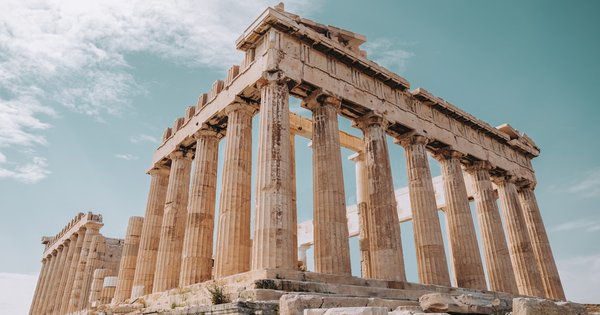
We’ve been to Athens four times. Twice on long trips, twice on short ones. It is one of the cities we end up in by accident — we are not actively planning to be there, and then we are, because something in the southern Balkans rotation breaks and we end up routing through ATH for a week. Every time, we leave with a longer list of reasons we want to come back.
Athens does not market itself as a gay destination. It doesn’t have to. The city has a queer scene that is older, larger, and more politically established than visitors usually expect, and the entry cost — both literal and social — is much lower than people coming from western European Pride hubs assume. Same-sex marriage has been legal in Greece since February 2024. Adoption rights for same-sex couples passed in the same legislative package. Athens Pride is a fixture of the political calendar. The infrastructure is here.
Here’s what we know after four visits.
Where the scene actually is
The closest thing Athens has to a gayborhood is Gazi, a former industrial district just west of the Acropolis. Walk past Technopolis, the converted gas-works that gives the area its name, and you’ll find most of the city’s gay bars and clubs concentrated within about a six-block radius. It is one of the most walkable LGBTQ+ scenes in Europe — you can move between five or six venues in a single night without ever needing a taxi.
Gazi runs late, even by Mediterranean standards. The bars don’t fill until midnight, the clubs don’t open properly until 1, and the after-parties go until sunrise. We’ve never made it to closing time. We are not 25 anymore. But the rhythm is the rhythm, and if you’re traveling on European hours, you can ride the front edge of the night and still be in bed at a reasonable hour.
For something quieter, Exarchia — north of Syntagma Square — has a more leftist, queer-friendly cafe culture that operates on a normal schedule. It is where we end up most of our days. The neighborhood has a long political history (it was the center of the 2008 protests, and remains a hub of anarchist and feminist activism), and that has translated into a scene that is queer-adjacent in a casual, integrated way. There is no rainbow flag on the door of most of these cafes, but everyone is welcome and most of the staff are queer.
Koukaki, just south of the Acropolis, is where we tend to stay. It is residential, walkable, full of small Greek tavernas, and within easy reach of Gazi (15 minutes on foot, 5 by metro). It is also where most of the better-priced LGBTQ+-friendly Airbnbs are concentrated. We’ve never had a problem with a host, but we don’t go out of our way to advertise that we’re a couple either — we treat it the way we treat any travel: read the room.
What to actually expect
Athens is socially more conservative than its laws suggest. Public hand-holding is fine in central neighborhoods (Plaka, Monastiraki, Kolonaki, Gazi, Exarchia) and at the beaches. Outside the central core, especially in working-class outer neighborhoods, expect to be looked at. We have never felt unsafe in Athens. We have, occasionally, felt visible.
The scene skews heavily male. Women’s spaces exist — Big in Gazi has a long-running women’s night, and there’s an active lesbian organizing community connected to the city’s universities — but the visible bar culture is dominated by gay men. This is changing slowly, but it is the current state.
Trans visibility is more limited than in Spain or the Netherlands. Greek law passed self-determination-based gender recognition in 2017, but the social environment is several years behind the legal one. Trans-specific spaces tend to be activist-organized and harder to find as a visitor.
Athens Pride
Athens Pride 2026 is scheduled for June 13 in Syntagma Square. The march is the largest LGBTQ+ public event in Greece, and it has, for the past several years, drawn between 30,000 and 60,000 people. It is political in a way that some western European Prides have stopped being. The closing rally typically includes speeches on issues that are still genuinely contested in Greek politics — refugee rights for LGBTQ+ asylum seekers, the slow implementation of the marriage equality law in the Orthodox-aligned countryside, trans healthcare access.
If you are timing a trip around Pride, June is the better month for Athens. The weather is hot but not yet brutal, and the city is full of programming. By August, Athens empties out to the islands and many bars close for the summer.
Food, beach days, and what we do when we’re there
Athens has the best food-to-cost ratio of any European capital we’ve been to. A full taverna meal — meze, mains, wine — runs €15–25 per person at most central spots. The Koukaki tavernas south of the Acropolis are reliably good. So is Karamanlidika tou Fani in Monastiraki for cured meats and cheese. We have never had a bad meal in Plaka, but we have had several touristy ones.
For beach days, we take the tram south to Kavouri or Vouliagmeni. The Athenian Riviera has a string of beaches reachable by public transit in 45 minutes. Limanakia, between Vouliagmeni and Varkiza, has been an unofficial gay beach for decades. It’s rocky rather than sandy and the entry is over some unmarked paths, but it’s worth the navigation.
If you have a day to spare, take the early ferry to Aegina. The island is an hour from Piraeus, costs €15 round-trip, and gets you out of the city heat for the price of a meal.
What we wish we’d known the first time
Athens does not require a circuit. You don’t need to plan around bar nights or themed events to have a good queer trip there. The city’s strength as a destination is that it is a real, functioning, layered place — ancient, modern, working-class, queer, political, exhausted, beautiful — and most of what makes it good as a queer trip is exactly what makes it good as any other kind of trip.
Come for the food. Stay for the late-night taverna conversations. Hit Gazi if you want to. Skip it if you don’t. Either way, Athens will absorb you, the way it absorbs everyone who lands there. We’re already planning the next visit.