Zagreb Pride Turns 25 — How Southeast Europe's First Pride March Became a Movement
In 2002, a few hundred people marched through Zagreb under police protection and open hostility. In 2026, the march celebrates a quarter century of resistance and progress.
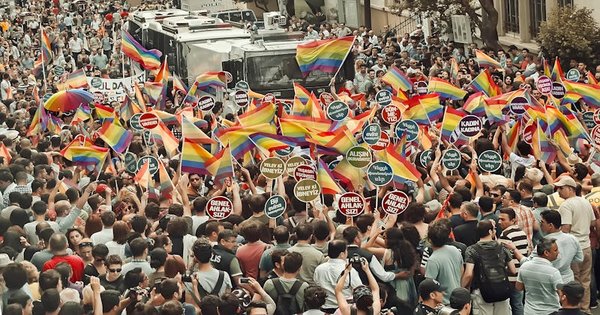
In June 2002, a few hundred people walked through the streets of Zagreb carrying rainbow flags. Police lined the route. Counter-protesters shouted. Some threw objects. It was Southeast Europe’s first successful Pride march, and it was not a celebration — it was an act of defiance.
Twenty-five years later, Zagreb Pride is one of the longest-running Pride events in the region, and the 2026 edition marks a milestone that deserves more attention than it’s likely to get.
What 2002 Looked Like
The first Zagreb Pride took place on June 29, 2002, inspired by the Stonewall riots and organized by a coalition of activists who understood exactly what they were risking. Croatia in 2002 was less than a decade removed from the Homeland War. The Catholic Church wielded enormous cultural influence. Homosexuality had only been decriminalized in 1977 — under Yugoslavia — and there were no legal protections of any kind for LGBTQ+ people.
The organizers went ahead anyway. Estimates put attendance at around 300 people, protected by a heavy police presence. The march completed its route, but the message from the counter-protesters was clear: you are not welcome here.
What Changed
The story of Zagreb Pride over the last quarter century is, in many ways, the story of LGBTQ+ rights in the Balkans writ small. Progress has been real, but uneven, and every step forward has been contested.
Croatia introduced anti-discrimination protections in 2003. The first same-sex partnership law passed in 2014, granting life partners many of the same rights as married couples — including inheritance, healthcare decisions, and pension benefits. That law was itself a compromise, coming after a 2013 constitutional referendum that defined marriage as exclusively between a man and a woman.
The referendum was backed by the Catholic Church and conservative groups, and it passed with 65% of the vote. But what happened afterward tells you something about Croatian society: rather than ending the conversation, the referendum seemed to galvanize support for a middle path. The life partnership law that followed was stronger than many expected, and public attitudes have continued to shift.
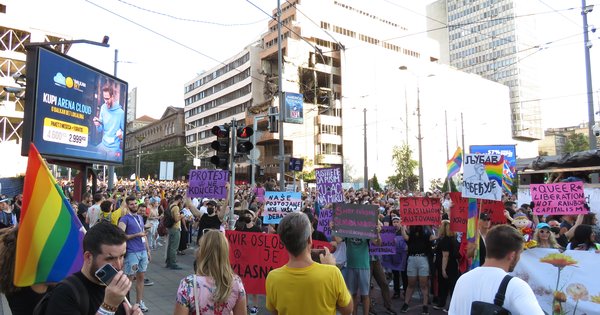
By 2024, Belgrade’s pride drew thousands and went off peacefully — a scene that would have been unimaginable when Zagreb’s march first blazed the trail.
The 2026 Celebration
This year’s Zagreb Pride will culminate in Ribnjak Park with an activist rally, followed by live music, drag performances, and an open-air celebration. Community leaders and NGOs will deliver speeches tied to the 2026 theme, and the park will host information stalls from rights organizations across the region.
It’s a format that balances protest with joy — something the Balkans Pride movement has gotten remarkably good at. The march itself remains a political act, a visible claim on public space in a region where visibility still carries risk. But the celebration afterward is equally important: it shows queer people in the Balkans living openly, together, in a way that creates its own momentum.
Where Croatia Stands Now
Croatia is, by most measures, the most LGBTQ+-friendly country in the Western Balkans. Life partnerships are recognized. Anti-discrimination protections are in place. Pride events happen annually in Zagreb, Split, and Rijeka without significant incident.
But “most LGBTQ+-friendly in the Western Balkans” is a relative distinction. Same-sex marriage remains constitutionally prohibited. Adoption by same-sex couples is technically possible through the life partnership framework but faces practical barriers. And while Zagreb and the coastal cities are increasingly accepting, attitudes in smaller towns and rural areas can be markedly different.
The Spartacus Gay Travel Index for 2026 reflects this complexity — Croatia scores well enough to be considered a viable destination for LGBTQ+ travelers, but it’s not in the same tier as Spain or Portugal.
Why This Anniversary Matters
Zagreb Pride didn’t just create a Pride march. It created a template. Belgrade’s first Pride followed in 2010 (after failed attempts in 2001 and 2009). Sarajevo’s came in 2019 — the last former Yugoslav capital to hold one. Pristina has held annual Pride Weeks since 2017. Tirana held its first Pride march in 2024.
Every one of these events owes something to what happened in Zagreb in 2002. The organizers who walked those streets showed that Pride was possible in Southeast Europe — not easy, not safe, but possible. That precedent mattered more than any legal reform.
As we approach the 25th anniversary march this June, it’s worth remembering that Pride in the Balkans has never been just a parade. It’s an ongoing negotiation with societies that are changing — genuinely changing — but haven’t arrived yet. The fact that Zagreb has been having this conversation for a quarter century is itself the point.
If you’re in Croatia this summer, show up. The march matters more when more people walk it.